The Ten Crucial Days
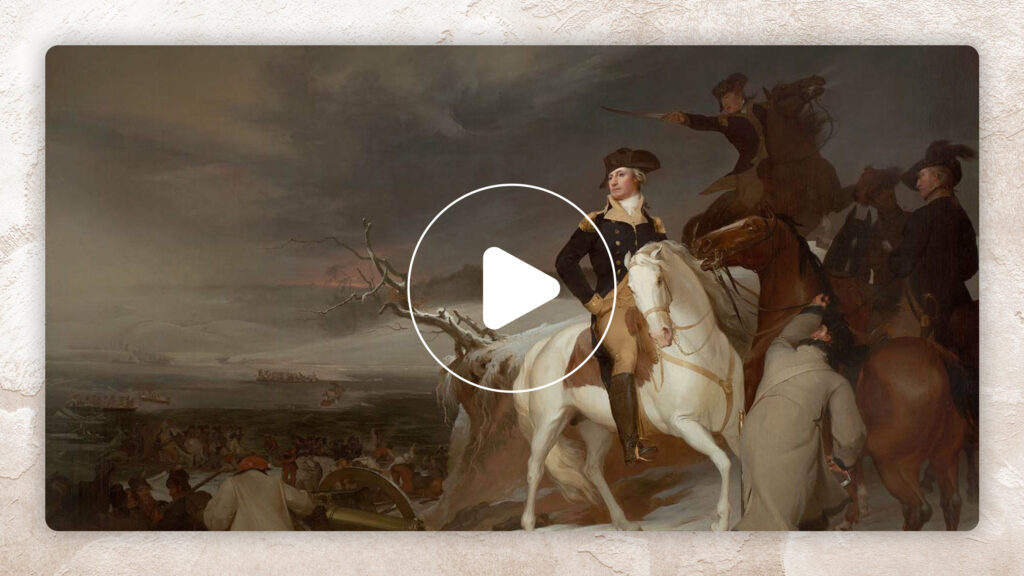
The ink on the Declaration of Independence, together with the signatures of the men who created it, was barely dry when the British soundly defeated Washington’s army in New York.
Immediately following the demoralizing success of the king’s troops in New York, British officers and their enlisted men mocked General Washington and his dwindling army.
Lord Rawdon, a priggish young officer in his majesty’s service, boasted that the Americans were “broken all to pieces” and he was certain, “It is well nigh over with them.” Despite the statement’s pompousness, he was not entirely off the mark.
Looming just ahead, December 1st, 1776, was the date on which Maryland and New Jersey troops’ enlistments were to expire. As the date came and went, so did they.
Even more concerning was the devastating news that British Commander-in-Chief Lord Howe had issued a proclamation offering general amnesty to all those who would offer their loyalty to the king. Many did, and New Jersey was now crawling with Loyalists.
Fortunately, Howe’s offer of amnesty was mitigated by his troops’ aggressive pillaging of the New Jersey countryside. Foraging parties seized whatever they could for the benefit of the British army or themselves. It mattered not whether the victims were loyal to the crown or to Washington. For New Jersey residents, this practice dramatically tilted the tide of emotion toward enmity for the re-clad occupiers.
Washington still had to endure his own mounting problems. Adjutant General and erstwhile confidant Joseph Reed had wounded him psychologically just weeks earlier. In a letter to General Charles Lee, which Washington later came to possess, Reed heartlessly criticized his supposed friend’s leadership.
Betrayal, the still lingering defeats of the previous summer, diminishing troop numbers, and conciliatory overtures toward Americans from the crown were just a few of the headwinds General Washington faced near the close of 1776.
And yet, as Abigail Adams would soon write to her friend and fellow patriot Mercy Otis Warren, “I am apt to think that our late misfortunes have called out the hidden Excellencies of our Commander in chief.” She capped her feeling with a fitting quote from the English poet Edward Young, ‘affliction is the good man’s shining time.’ ”
With yet more Continental enlistments set to end at midnight on December 31st, Washington needed an “important stroke,” as he termed it.
Just across the Delaware River, in the sleepy little town of Trenton, New Jersey, he found it.
George Washington was the robust, living embodiment of the poet Young’s moral sentiment, for his “shining time” of ten crucial days was about to begin.
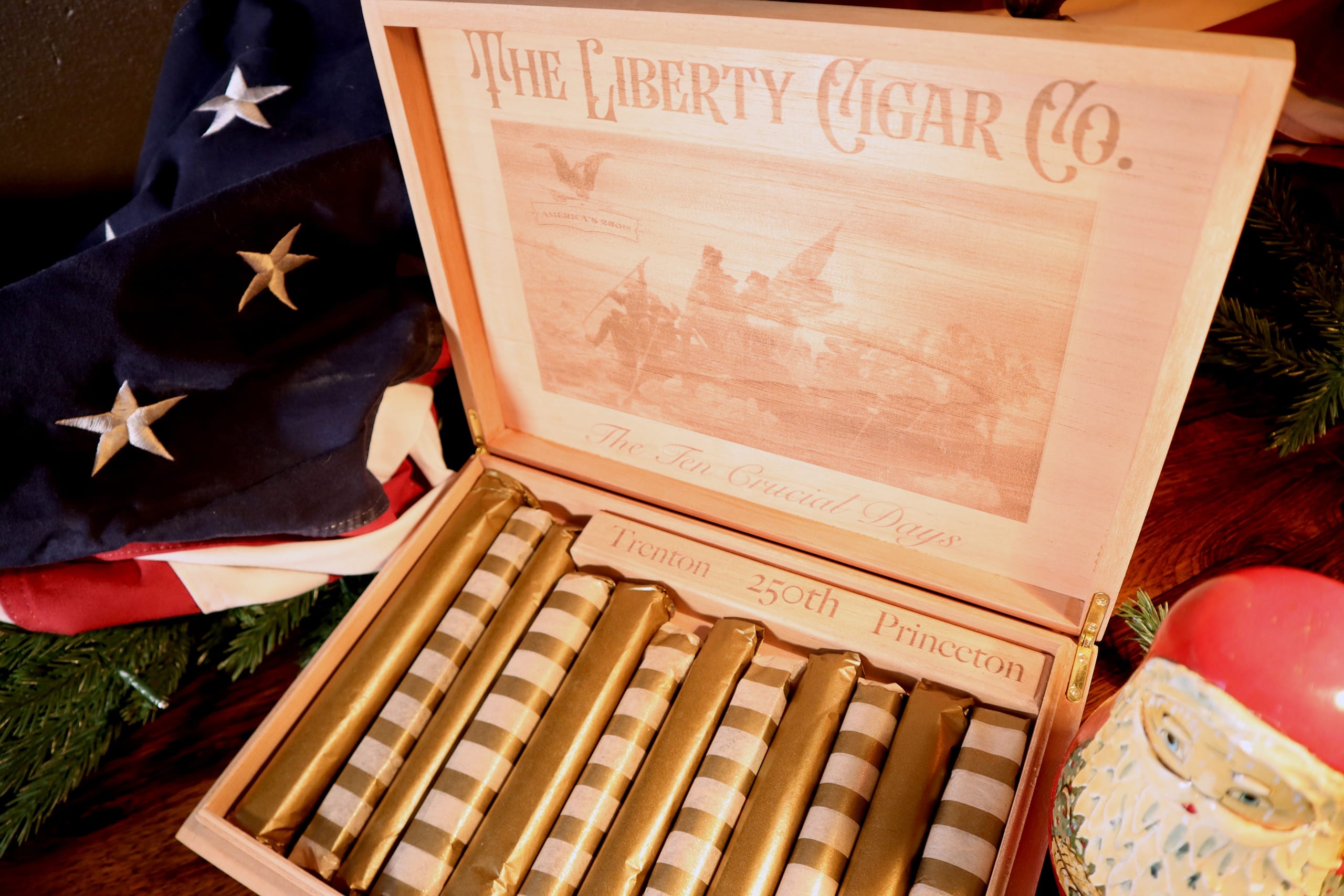
Relive and enjoy the Ten Crucial Days.